How We Keep Our High-Energy Doberman Entertained
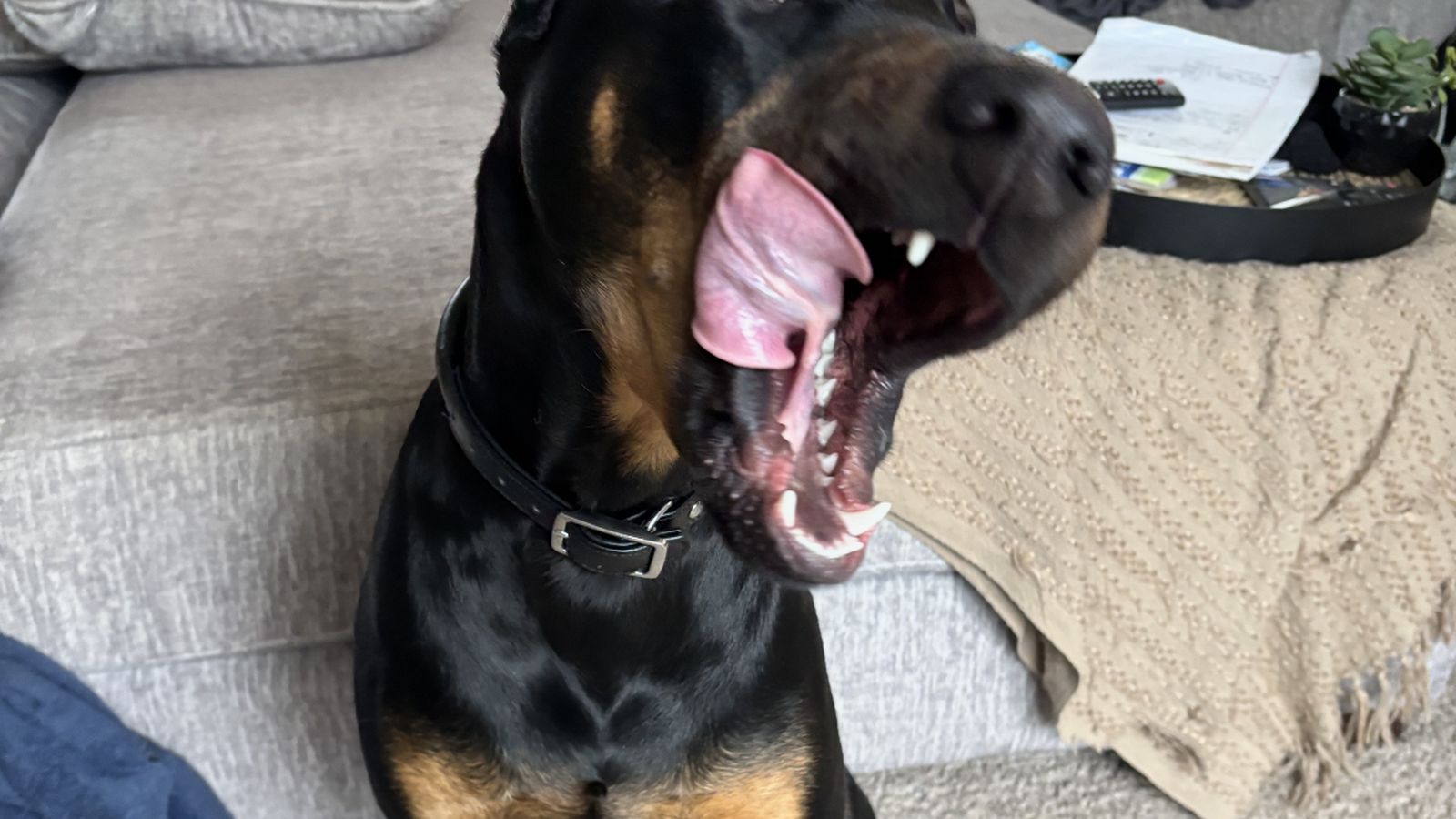
A bored Doberman will find a job. You may not like the job he picks. Rearranging the couch cushions, auditing the trash, staring at you from eight inches away until something happens.
The trick is giving that energy somewhere to go, and it turns out walks alone usually aren't enough. Dobermans were bred to work, which means they need to use their brains as much as their legs.
Physical outlets
Walks with a purpose
A walk where your dog gets to sniff is a different workout than a walk where he trots next to you. Mixing in some slow "sniff walks" lets him take in the world, which is surprisingly tiring for a dog.
Flirt pole sessions
Short bursts of chasing a lure burn a lot of energy fast, and the stop-and-start nature builds in practice for "drop it" and "wait." Keep sessions short and stop while your dog is still having fun.
Fetch and tug
Classic for a reason. Tug, played with rules, is a great way to build focus and practice letting go on cue.
Brain work
Ten minutes of thinking can tire a dog out more than you'd expect.
- Food puzzles. Serve a meal in a treat-dispensing ball instead of a bowl.
- Snuffle mats and scatter feeding. Let the nose do the work.
- Find it. Hide treats around a room and send your dog to search.
- Short training sessions. Five minutes of practicing something new, a few times a day.
- New places. A different route or a quiet new spot is enrichment by itself.
Calm skills count too
It's easy to think the answer to a high-energy dog is always more activity. But a dog who only knows how to go can have a hard time stopping. Teaching an "off switch" matters just as much.
- Settle on a mat. Reward your dog for lying down and relaxing in one spot.
- Lick mats. Licking can be calming for many dogs, which makes a lick mat a nice way to end a busy day.
- Downtime on purpose. Quiet time in a crate or bed after play helps a young dog learn to rest.
Rainy day ideas
- Hide-and-seek with a family member
- A muffin tin with treats under tennis balls
- Practice tricks he already knows in a new room
- Teach a new trick, like a chin rest or touching your hand with his nose
- A frozen lick mat or stuffed rubber chew
- Stairs or hallway "find it" with a few kibbles
Every dog is different. The right amount of exercise depends on your dog's age, health, and fitness. For young puppies and senior dogs especially, check with your vet about what's appropriate.
Want the toys we mentioned? They're in Toys That Survive a Doberman and Treats Worth Sitting For.